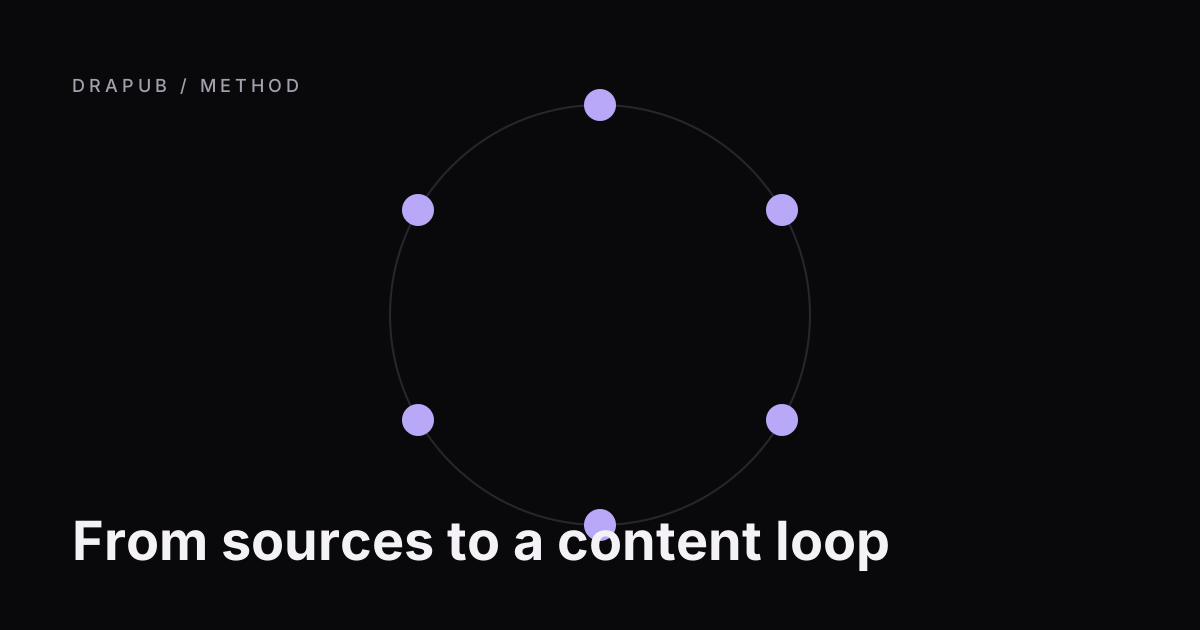
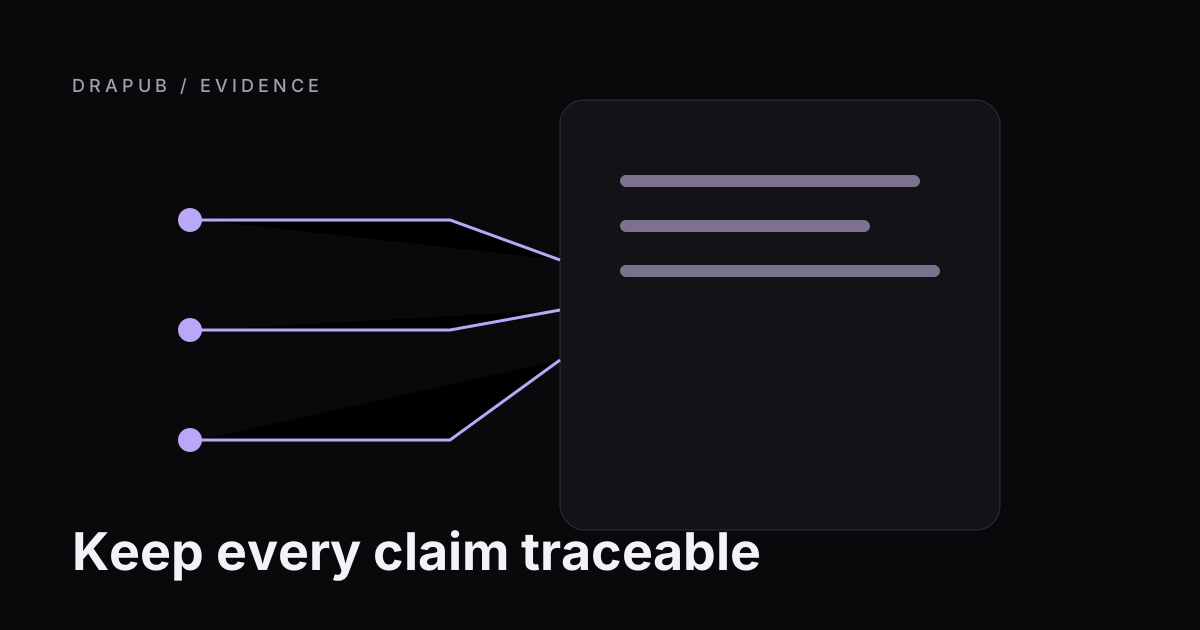
Why full autopublishing is not DraPub's destination
Human review is not failed automation. It is the permission, accountability, and learning interface of a content system.
“From sources to every platform automatically” sounds like the complete promise of a content tool. For creators building long-term trust, it often hides the decisions that matter most.
Publishing is not an ordinary write
Once copy leaves an editor, it carries account identity, public promises, legal risk, and distribution that cannot be fully reversed. It is not the same risk as saving a draft or generating a summary.
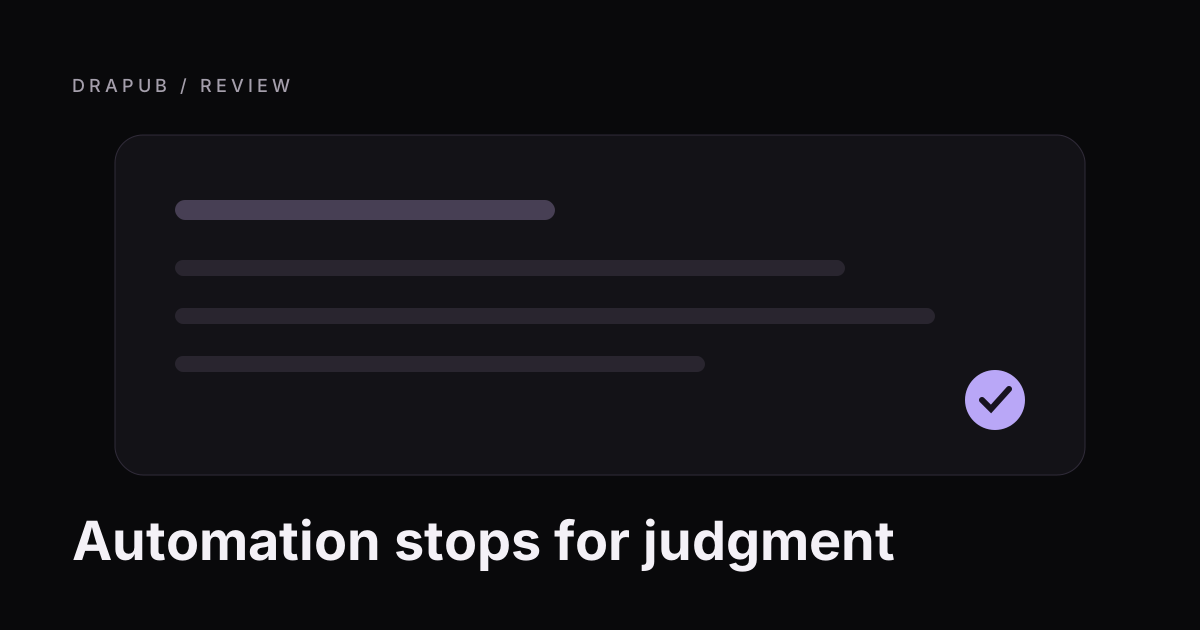
DraPub therefore separates proposal from confirmation. An agent may generate, compare, and recommend, but document writes, asset replacement, draft delivery, and publication require an authorized person.
Review is also a learning signal
Accept, reject, and return are not merely buttons. A reason can identify missing evidence, a faulty argument, a voice mismatch, or an unmet platform constraint. Those structured decisions help the next task more than a final draft alone.
Automate waiting, not accountability
Capture, parsing, retrieval, version generation, validation, and reminders can run automatically. Human attention stays on a small number of valuable judgments. Review gates do not add ceremony; they let automation run faster inside a trusted boundary.
Good automation does not remove people. It brings them in only where responsibility is real.